


Temple of Literature showcases Vietnam’s academic excellence
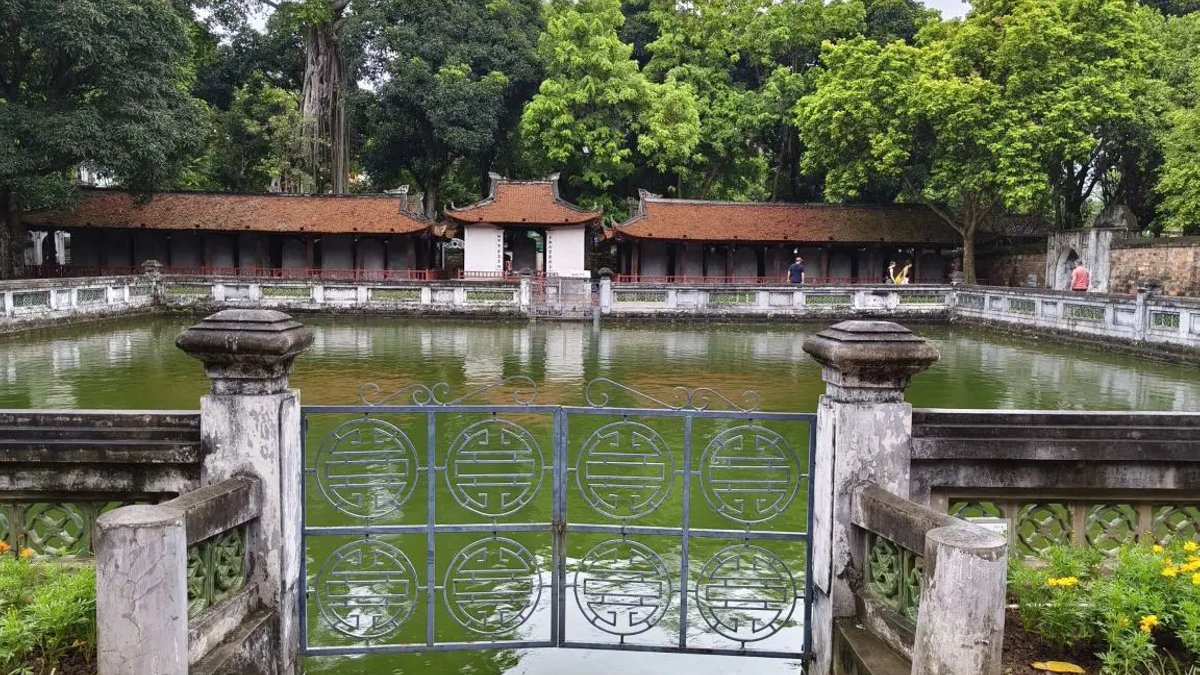
The Temple of Literature in Hanoi draws visitors with its quiet courtyards and historic architecture, offering a glimpse of Vietnam’s long‑standing respect for learning. Though its name suggests a place of worship, the site functions primarily as a memorial to scholars and Confucian ideals.
Constructed in the 11th century, the complex originally honored Confucius and later commemorated those who succeeded in the imperial examinations. It served as the nation’s first university, known as the Imperial Academy, until the 18th century, when formal education shifted elsewhere.
Traditional Vietnamese design defines the layout, featuring sloping tiled roofs, wooden beams and ornamental stonework.
Five distinct sections are enclosed by brick walls that separate the historic core from the busy streets surrounding the leafy green neighbourhood.
A Walk Through Five Historic Yards
The journey begins at the Great Middle Gate, a grand entrance that symbolises a scholar’s first step toward knowledge. A bronze bell above the portal, added in the 19th century, once announced the arrival of dignitaries.
Related: AIME launches new brand for Melbourne 2027
The second space houses the Constellation of Literature Pavilion, a two‑story structure with double roofs and a square base. Chosen as Hanoi’s emblem in 1997, the pavilion remains a favored spot for those seeking luck before exams.
Beyond the pavilion lies the third area, home to the Heavenly Well—a shallow rectangular pond reflecting the sky. Flanking the water are 82 stone tablets, each perched on a stone turtle, inscribed with the names of scholars who passed the exams between the 15th and 18th centuries.
These stone turtles seem to stare solemnly at passing tourists, an oddly quiet moment that hints at the reverence once reserved for academic achievement. The tablets were listed by UNESCO as a Memory of the World item in 2010, highlighting their cultural significance.
The fourth yard contains a drum tower that once signalled ceremonial events. Its large drum, still displayed, reflects traditional music’s role in honoring scholars.
The drum still echoes.
Related: Conrad Nagoya Opens as Hilton Luxury Debut
The final section, once the grounds of the Imperial Academy, includes a shrine where Confucius and his four principal disciples are venerated. Golden altars, red lacquer doors and gentle incense create a space for quiet reflection.
For modern learners, the site serves as a tangible reminder that education has long been woven into the nation’s identity.
Visiting the historic complex can inspire a sense of continuity, linking today’s exam‑season hopes with centuries of scholarly pursuit.
During the national examination period, thousands of hopefuls line up to pray for success, offering incense and modest gifts. The ritual, though rooted in ancient practice, remains a vivid expression of personal ambition within a collective cultural framework.
Beyond its ceremonial role, the landmark attracts photographers and couples seeking a picturesque backdrop. The well‑preserved structures and manicured gardens provide a rare urban oasis where history feels immediate rather than distant.

AIME launches new brand for Melbourne 2027


