


Dubai tourism hits record August arrivals with broad market strategy
Dubai’s tourism sector recorded 869,000 international overnight visitors in August 2026, its strongest monthly volume since February, and took total arrivals to 6.97 million across the first eight months of the year. Released on the opening day of Arabian Travel Market (ATM) 2026, the latest figures also saw hotel occupancy climb sharply from 36% in March to 66%. The figures highlight a recovery driven by deliberate market diversification rather than dependence on a limited number of source regions.
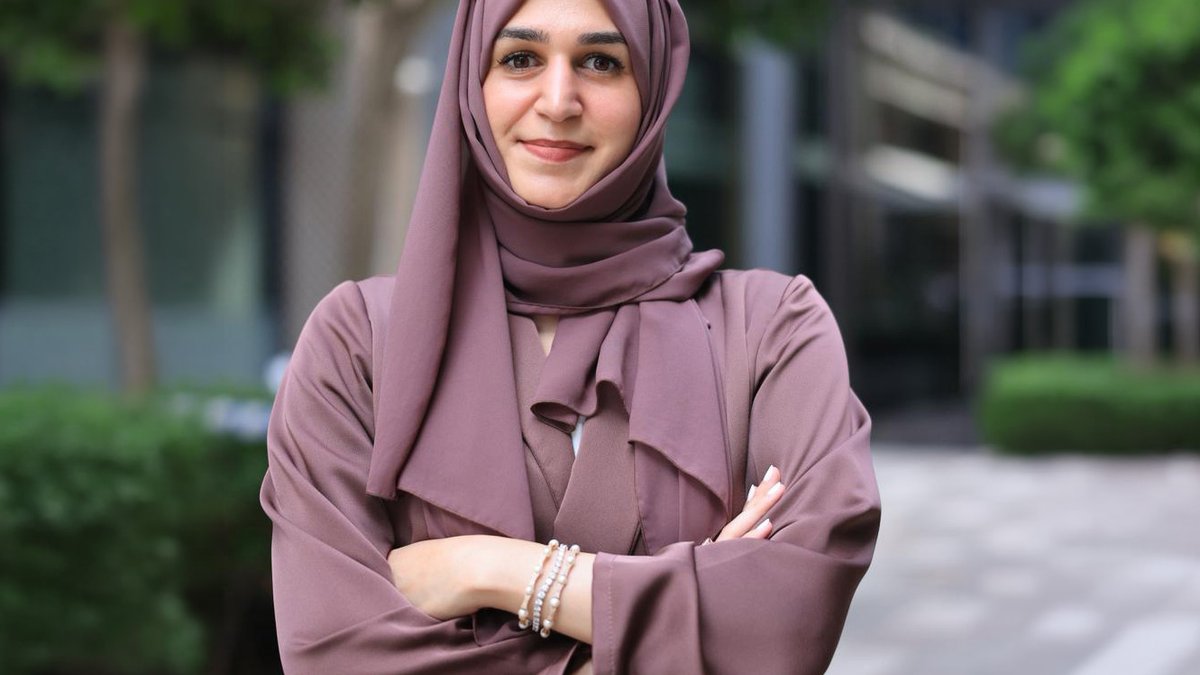
Hoor Al Khaja, Senior Vice President of International Operations at Dubai Corporation of Tourism and Commerce Marketing (DCTCM), explained that the emirate actively engages with at least 80 source markets simultaneously. Each market undergoes analysis for key factors such as seasonality, consumer behavior, and booking trends. This method ensures a balanced distribution of visitors across different regions.
The visitor composition in August reflected this strategy, with Western Europe (20%), South Asia (17%), the Gulf Cooperation Council (16%), and CIS/Eastern Europe (14%) leading arrivals. DCTCM tailors its business-to-business outreach to align with local distribution patterns, whether demand comes from group travel or individual tourists. This adaptability has strengthened Dubai’s appeal across diverse markets.
Read Also: Jamaica wooing wealthy Gulf travelers with cultural trips
Changing traveler preferences have also influenced the emirate’s tourism development. Al Khaja emphasized that today’s visitors increasingly prioritize specialized experiences over conventional leisure activities. To meet this demand, the tourism board has expanded focus areas such as wellness, sports, adventure, and gastronomy, bolstered by the recent introduction of the Michelin Guide. Sustainability and accessibility remain central, with continuous improvements to infrastructure and public spaces.
The hospitality sector now comprises nearly 149,000 hotel rooms across 800 establishments, offering a mix of luxury, mid-scale, and budget-friendly accommodations. While high-end tourism remains a cornerstone, the inclusion of three- to four-star hotels and hotel apartments broadens accessibility for different traveler segments.
Under Dubai’s Economic Agenda (D33), future growth will prioritize quality expansion over sheer visitor numbers. Upcoming developments include projects in Dubai South and Palm Jebel Ali, alongside specialized resorts like the Therme wellness and longevity resort. The focus remains on diversifying offerings while deepening niche appeal to maintain long-term demand.


