


Kerala Plans Tourism-Led Economic Growth
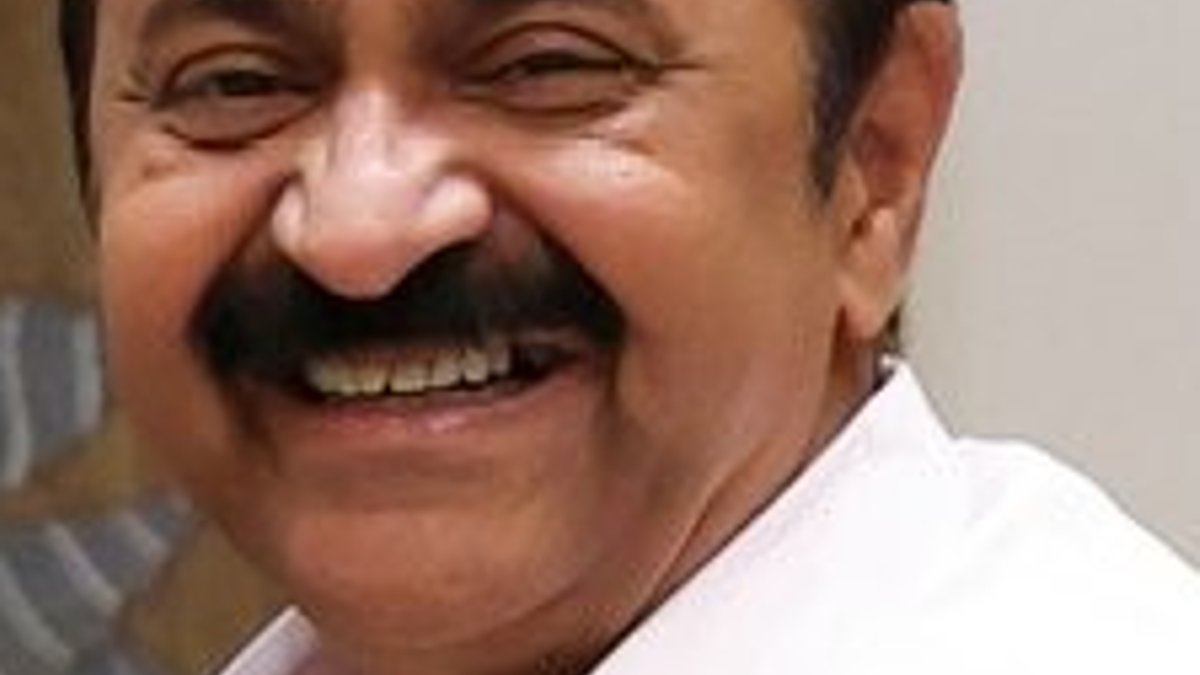
Kerala Chief Minister VD Satheesan outlined an ambitious tourism-driven development strategy for the state, aiming to use tourism as a key catalyst for economic growth. The vision was presented at the inauguration of the 13th Kerala Travel Mart (KTM) in Kochi, where Satheesan emphasized expanding the state’s tourism infrastructure across multiple sectors.
Ports and Maritime Infrastructure
The government plans to leverage Kerala’s coastal assets and maritime infrastructure as a cornerstone of its tourism strategy. With two major international ports, an international container terminal, 18 minor ports, and approximately 600 km of coastline, Kerala aims to integrate its ports and transform the entire state into a “port city.”
“We want to integrate all the ports and make entire Kerala into a port city,” Satheesan stated, adding that it intends to shift a significant portion of logistics from roads to sea transport. Cruise tourism is a central element of this plan, with a cruise terminal already approved for Kochi and another proposed for Kozhikode. These terminals could connect Kochi with destinations such as Dubai, Goa, the Maldives, and Sri Lanka, while also creating a network linking Kasaragod and Thiruvananthapuram.
In a subsequent phase, the government plans to integrate cruise services with Kerala’s river network. This integration would open opportunities for river cruises across the state’s 44 river systems.
Read Also: Cherai promotes itself as heritage gateway
Aviation Hub Development
The second major initiative focuses on positioning Kerala as an aviation hub by integrating its four international airports, which are located relatively close to one another. It is also developing an international global convention center near Cochin airport, described by Satheesan as a modern facility intended to surpass the scale of Singapore’s Changi Airport convention center.
Additionally, Kochi is set to host an oceanarium, an international maritime museum, and a film city. The oceanarium, a personal aspiration of Satheesan after visiting similar facilities in Sydney and Singapore, is part of a broader effort to diversify tourist attractions. The proposed maritime museum will highlight Kerala’s extensive coastal history, dating back beyond 1498, the year Vasco da Gama arrived at Kappad. Archaeological findings from the ancient port of Muziris, including remains and coins, highlight the state’s historical trade connections with various civilizations.
“We had a wonderful maritime history,” Satheesan noted, referencing Kerala’s historical ties with the Portuguese, Dutch, French, Jews, and British.
Cultural and Recreational Attractions
The government is also prioritizing culture as a tourism driver. A cultural park named after writer M T Vasudevan Nair is planned, along with permanent venues for major cultural events such as the Kochi Biennale and the International Film Festival of Kerala. In Thiruvananthapuram, the existing zoo will be relocated to a forested area on the outskirts, with the current urban site redeveloped into a major public square modeled after internationally recognized city squares.
Read Also: British Airways adds third Delhi flight
These developments aim to provide visitors with a diverse range of experiences, including greenery, beaches, rivers, the Western Ghats, and cultural heritage. The objective is to encourage tourists to stay in Kerala for at least seven days, enhancing the economic impact of tourism.
Tourism Targets and Economic Goals
According to figures cited by Satheesan, Kerala welcomed around 820,000 foreign tourists in 2025, while domestic tourist visits exceeded 25 million. It has set an ambitious target to increase foreign tourist arrivals to 5 million within the next three to five years, and domestic tourist visits to 100 million within the same timeframe.
Ministers PC Vishnunath, M Liju, and Tourism Secretary K Biju also addressed the KTM 2026 inauguration, which featured over 250 international buyers, 850 domestic buyers, and 400 Kerala-based participants.


