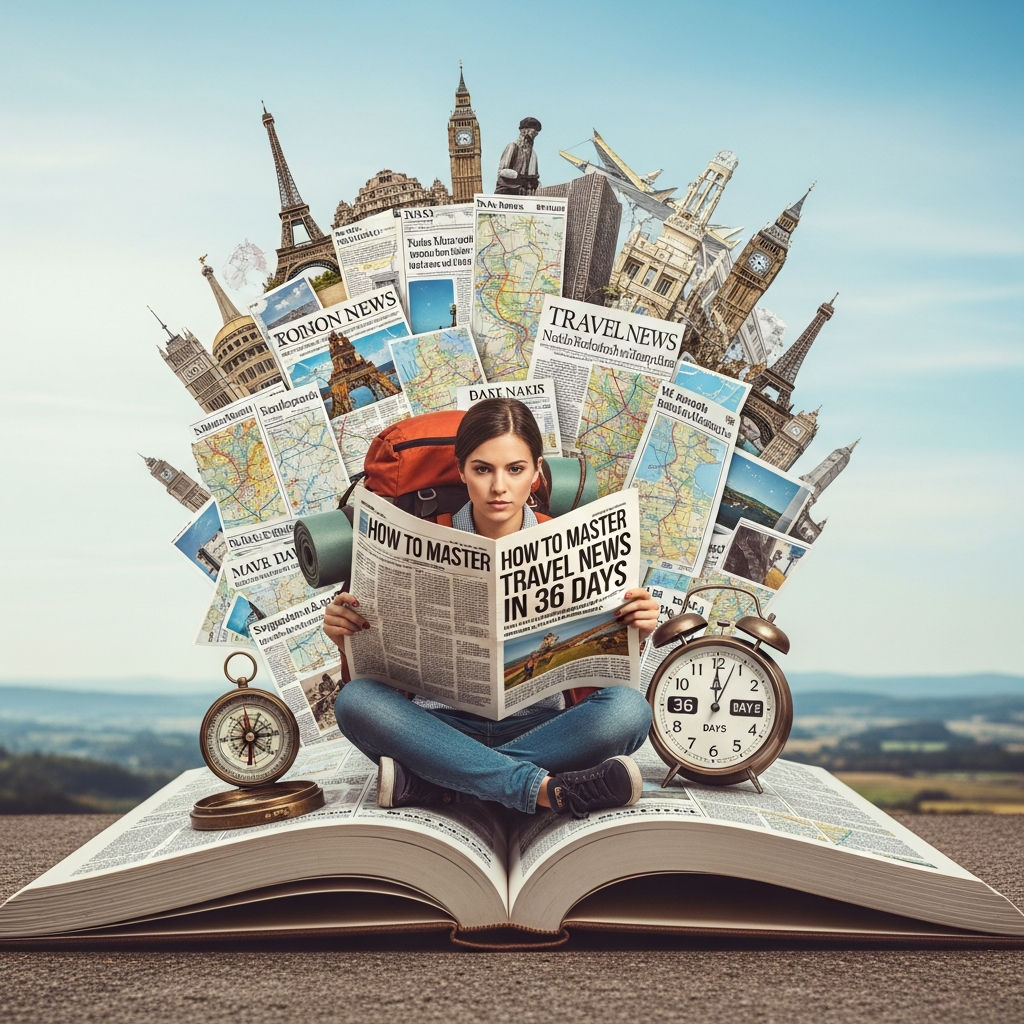
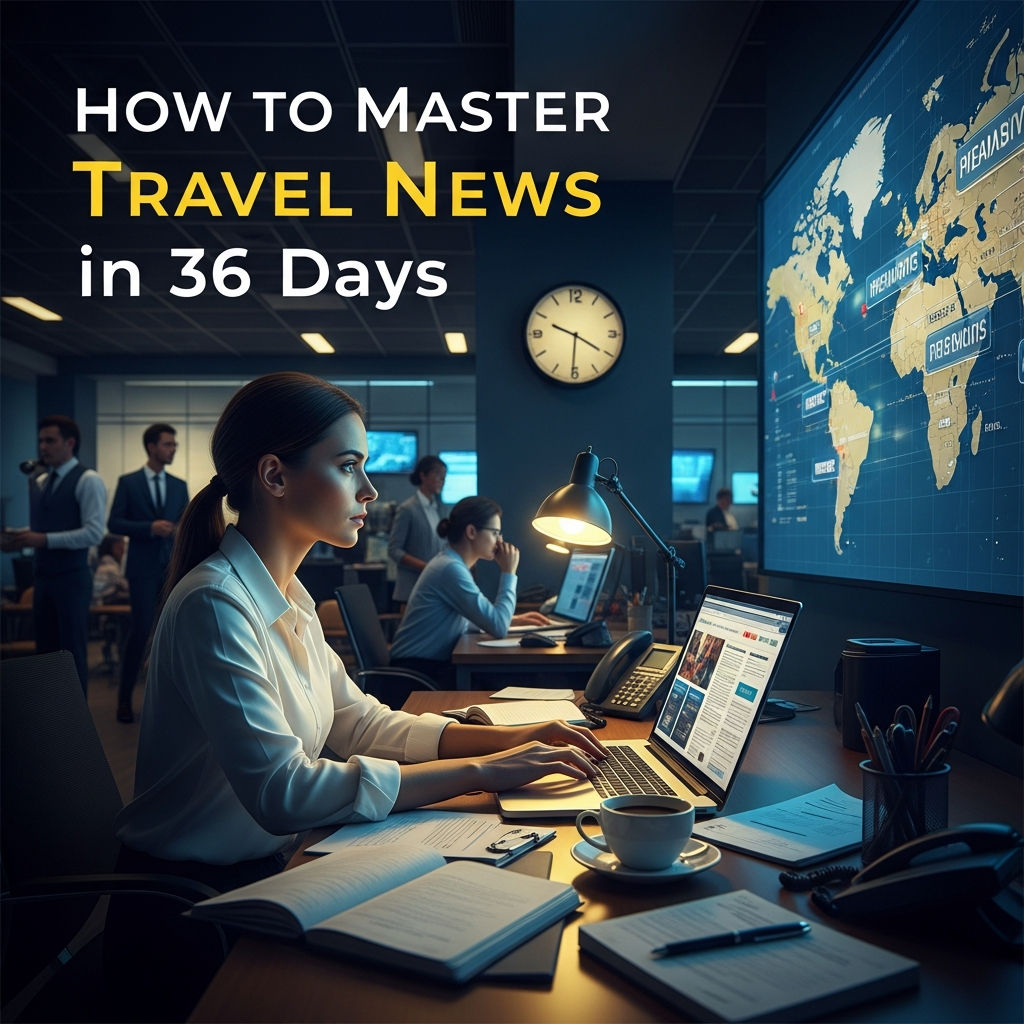
Master Travel News in 36 Days: The Ultimate Roadmap for Industry Experts and Enthusiasts
The travel industry is one of the most volatile and fast-paced sectors in the world. Between shifting visa regulations, the rise of AI-driven booking engines, and the ever-changing landscape of sustainable tourism, staying informed is no longer a hobby—it is a necessity. Whether you are an aspiring travel journalist, a professional in the hospitality sector, or a globetrotter who wants to stay ahead of the curve, mastering travel news requires a strategic approach.
But how do you sift through the noise of clickbait headlines and PR-heavy press releases? This comprehensive 36-day guide is designed to transform you from a casual reader into a savvy travel intelligence expert. By following this structured roadmap, you will learn to identify trends before they go mainstream and understand the geopolitical forces shaping the way we move across the globe.
Phase 1: Building Your Digital Infrastructure (Days 1–7)
The first week is about curation. You cannot master travel news if your information sources are cluttered. To become an expert, you must go where the professionals go.
Day 1–3: Identify Primary Sources
Stop relying on general news outlets for travel updates. You need to bookmark industry-specific publications. During these first few days, familiarize yourself with “The Big Three” of travel intelligence:
- Skift: The gold standard for travel industry analysis and corporate news.
- Phocuswire: Essential for understanding travel technology and digital distribution.
- Travel Weekly: A staple for retail travel agents and traditional industry updates.
Day 4–7: Automate Your Intelligence
You shouldn’t have to hunt for news; the news should come to you. Set up an RSS feed (like Feedly) to aggregate articles from your chosen sources. Create Google Alerts for specific keywords such as “Global Entry updates,” “New Airline Routes 2024,” and “Overtourism Regulations.” By the end of the first week, your digital ecosystem should be feeding you high-quality data automatically.
Phase 2: Understanding the “Why” Behind the News (Days 8–14)
Mastery is not just knowing *what* happened, but *why* it happened. This week focus on the economics and geopolitics that drive travel news.
The Economics of the Sky
Travel news is often dictated by the cost of fuel and airline profitability. Spend days 8–10 researching how “fuel surcharges” work and why airlines are moving toward a “hub-and-spoke” vs. “point-to-point” model. Understanding these basics will help you interpret why a certain airline might be cutting routes to a popular destination.
Geopolitics and Visas
Days 11–14 should be dedicated to visa trends. Master the concept of “Digital Nomad Visas” and the “Schengen Area.” When you read a headline about a country changing its entry requirements, your mastery will allow you to see the underlying motivation—whether it’s to boost a lagging economy or to curb environmental degradation.
Phase 3: Diving Into Specialized Niches (Days 15–21)
Broad knowledge is good, but specialized knowledge is where true authority lies. During the third week, choose a few niches that interest you or align with your career goals.
Sustainable and Regenerative Travel
The industry is moving away from simple “eco-friendly” labels toward “regenerative travel”—leaving a place better than you found it. Study the reports from the Global Sustainable Tourism Council (GSTC) to understand the metrics that actually matter.
The Luxury and Hospitality Sector
Follow the moves of major hotel groups like Marriott, Accor, and Hyatt. Notice how they are expanding their “soft brands”—independent hotels that use the parent company’s loyalty points. This tells you a lot about consumer desire for “authentic” yet safe experiences.
Points, Miles, and Loyalty Programs
A massive segment of travel news is dedicated to loyalty. Dedicate three days to understanding “dynamic pricing” in award bookings. Sites like The Points Guy or One Mile at a Time are essential for this phase. Learning the value of a point allows you to understand the financial health of airline partnerships.
Phase 4: Developing Analytical Skills (Days 22–28)
By day 22, you will be consuming a high volume of information. Now, you must learn to filter it for accuracy and bias.
Spotting PR Spin
Much of travel news consists of rewritten press releases. Learn to look for what is *not* being said. If a cruise line announces a “new revolutionary sustainability initiative,” check if they are actually reducing emissions or just banning plastic straws. Day 23–25 should be about cross-referencing stories across multiple outlets to find the objective truth.
Tracking Emerging Destinations
Master the “Trend Curve.” Usually, a destination goes from “undiscovered” to “backpacker’s secret” to “mainstream luxury” to “overtouristed.” Use tools like Google Trends to see which countries are seeing a spike in search volume. This predictive power is a hallmark of a travel news master.
Phase 5: Synthesis and Output (Days 29–36)
The final stage of mastery is the ability to communicate what you have learned. You are no longer just a consumer; you are a curator.
Synthesizing Daily Briefs
From day 29 to 32, practice writing a 3-sentence summary of the day’s most important travel news. For example: “The EU has delayed the ETIAS rollout again (The What). This is due to technical hurdles at border crossings (The Why). Travelers can expect a smoother transition but should remain cautious for 2025 bookings (The Takeaway).”
Networking and Engagement
Days 33–35 are for joining the conversation. Engage with travel editors on LinkedIn or X (formerly Twitter). Participate in forums like FlyerTalk or Reddit’s r/travel. Sharing your insights and asking intelligent questions will solidify your position in the travel news community.
The Final Review
On Day 36, look back at your first week. You will find that you no longer just “read” travel news—you “analyze” it. You understand the impact of a new airport opening in Tulum, the implications of a strike at Heathrow, and why “dupe destinations” are trending on TikTok. Congratulations, you have mastered the cycle of travel intelligence.
Why 36 Days? The Psychology of Mastery
You might wonder why this roadmap is set at 36 days. Research suggests that while 21 days can help form a habit, it takes slightly longer—roughly five to six weeks—to move from cognitive learning (remembering facts) to associative learning (making connections between those facts). By the end of this period, your brain will have wired itself to recognize patterns in the travel industry automatically.
Conclusion: Maintaining Your Edge
The world doesn’t stop turning, and the travel industry never sleeps. Mastering travel news is not a one-time achievement but a continuous practice. To maintain your expertise beyond the 36-day mark, stay curious and never stop questioning the headlines. The landscape of travel is an ever-evolving story of human movement, technology, and culture. Now that you have the tools to read it, where will the news take you next?
Quick Start Checklist for Day 1:
- Download an RSS Reader (Feedly, Inoreader).
- Follow 10 travel industry leaders on LinkedIn.
- Subscribe to the Skift Daily newsletter.
- Set a Google Alert for “International Travel Restrictions.”